
Automation
Automation refers to the use of technology—such as robotics, software, and artificial intelligence—to perform tasks with minimal human intervention; in the American context it spans manufacturing, logistics, customer service, and office work, driving productivity, consistency, and cost savings while also raising important questions about workforce transition, skill retraining, and ethical use; successful adoption balances automation’s efficiency gains with thoughtful policies for worker support, data governance, and continuous oversight to ensure systems remain safe, fair, and aligned with business and societal goals.
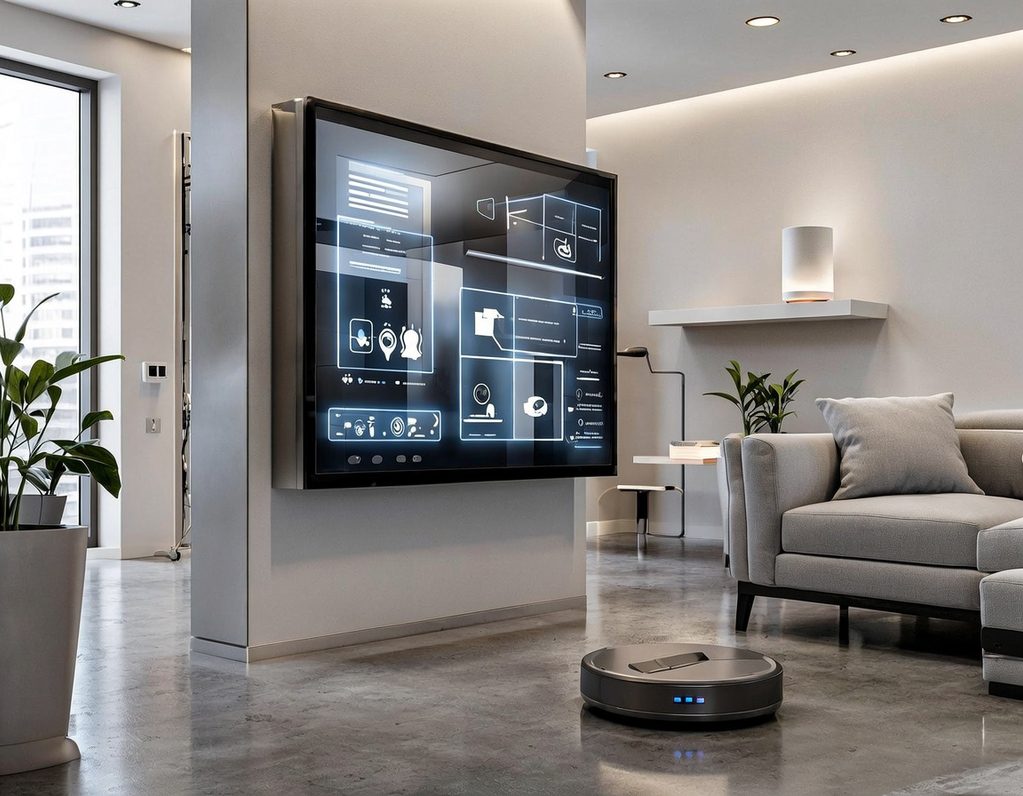
Home Automation
Home automation, a key branch of automation, uses connected devices, sensors, and software to automate everyday tasks in the home—lighting, climate, security, appliances, and entertainment—enabling remote control, scheduling, and intelligent responses based on presence or behavior. By integrating IoT devices, voice assistants, and centralized hubs, homeowners gain improved energy efficiency, convenience, and safety while creating customizable routines that adapt to preferences and habits. As interoperability and edge computing improve, home automation systems are becoming more reliable and scalable, though attention to cybersecurity and privacy remains essential to protect personal data and maintain trust in automated systems.
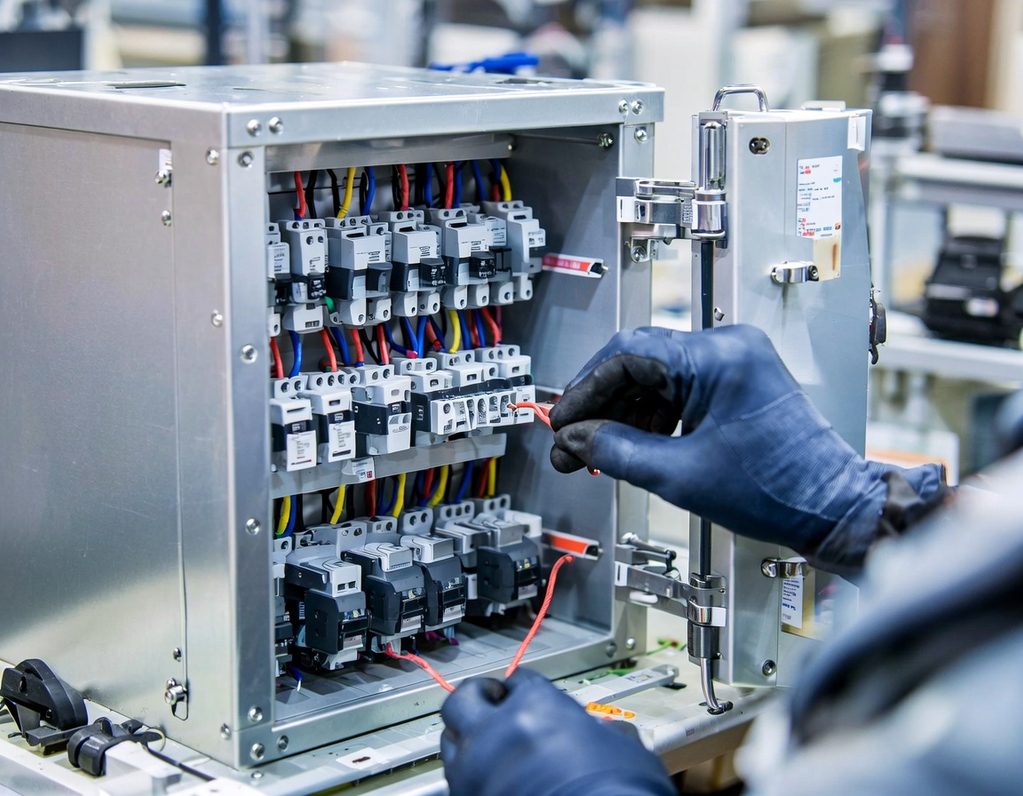
Control Panel Automation
Control Panel Automation refers to the design and implementation of centralized control systems that manage electrical, mechanical, and digital equipment across environments from large data centers to industrial plants, commercial buildings, and smart homes; these panels integrate PLCs, relays, breakers, sensors, and networked controllers to automate tasks, improve reliability, and simplify operations. In data centers, automated control panels orchestrate power distribution, cooling, environmental monitoring, and redundant failover to minimize downtime and optimize efficiency, while in industrial settings they handle motor control, safety interlocks, process sequencing, and SCADA integration for precise, repeatable manufacturing. In commercial applications control panel automation ties together HVAC, lighting, access, and energy management systems to reduce costs and support occupant comfort, and in homes modern automation panels provide centralized energy monitoring, smart-device coordination, and secure remote control for convenience and conservation. Across all sectors, well-designed control panel automation emphasizes scalability, standards compliance, predictive maintenance, and cybersecurity to deliver safer, more efficient, and easier-to-manage systems.
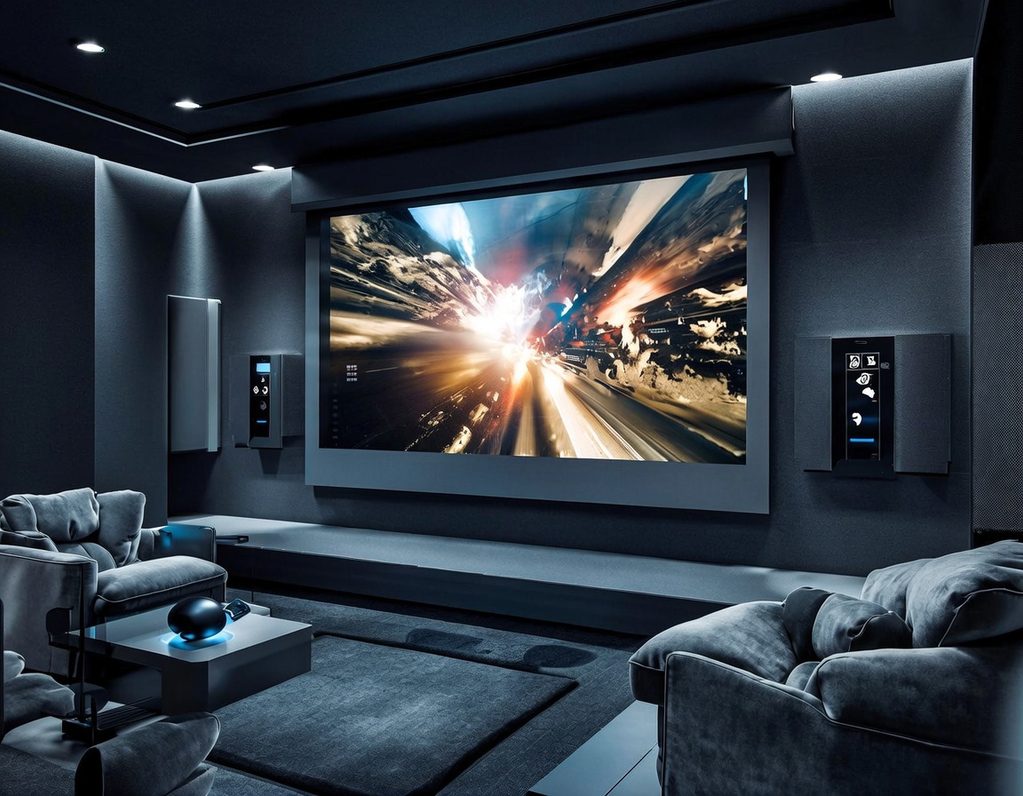
Custom Home Theater Automation
Custom home theater automation transforms a traditional media room into an immersive, effortless entertainment environment by centralizing control of audio, video, lighting, motorized shades, climate and seating into a single, intuitive interface; users can launch a movie scene with one command that dims lights, lowers shades, starts the projector and optimizes surround sound. Modern systems integrate with voice assistants and smartphone apps for hands-free control and remote access, while advanced programming allows personalized presets, timed schedules and adaptive settings that match viewing preferences and room acoustics. Properly designed automation also streamlines system updates, diagnostics and maintenance for reliable performance and can improve energy efficiency by coordinating HVAC and lighting with usage patterns. The result is a tailored, seamless cinematic experience that reflects both the homeowner’s style and the technical precision of professional integration.