
Electrical Power
We Install custom electrical systems designed to fit your exact needs while delivering uncompromising quality; from bespoke lighting and panel upgrades to whole-home wiring and smart-home integrations, our technicians use premium materials, code-compliant methods, and thorough testing to ensure safe, reliable, and long-lasting performance, backed by clear communication, on-time completion, and craftsmanship you can count on.
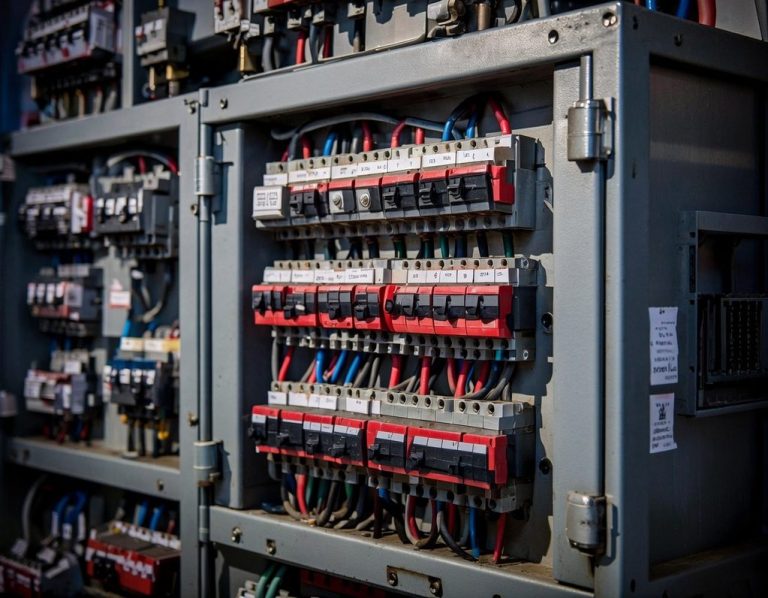
Distribution Service Panel
A distribution service panel, often called a breaker box or electrical panel, is the central point where utility power enters a building and is divided into branch circuits protected by circuit breakers or fuses; it contains the main disconnect, individual breakers, neutral and grounding bus bars, and sometimes subfeed lugs for downstream panels. Properly sized and labeled panels distribute power safely to lights, outlets, and appliances while preventing overloads and short circuits, and modern installations often include AFCI and GFCI protection as required by the National Electrical Code (NEC). Regular inspection, correct load calculations, secure connections, and adherence to local codes are essential for safe operation, and any upgrades or repairs should be performed by a licensed electrician.
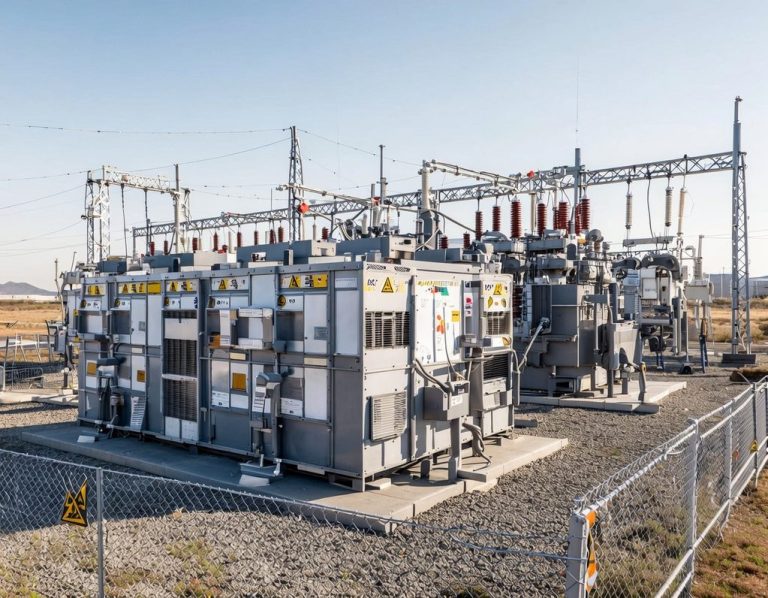
Electrical Substation
An electrical substation is a key facility in the power grid where voltage is transformed, power is switched, and protection and control equipment manage the flow of electricity between generation, transmission, and distribution systems. Substations contain transformers, circuit breakers, busbars, switches, and protective relays to step voltage up or down, isolate faults, and ensure reliable service to homes, businesses, and industry. They range from large transmission substations that interconnect high-voltage lines to smaller distribution substations that serve neighborhoods, and they are designed with strict grounding, safety, and maintenance practices to protect personnel and equipment. Modern substations increasingly incorporate remote monitoring, automation, and communications to improve efficiency, support grid resilience, and enable integration of renewable energy sources.
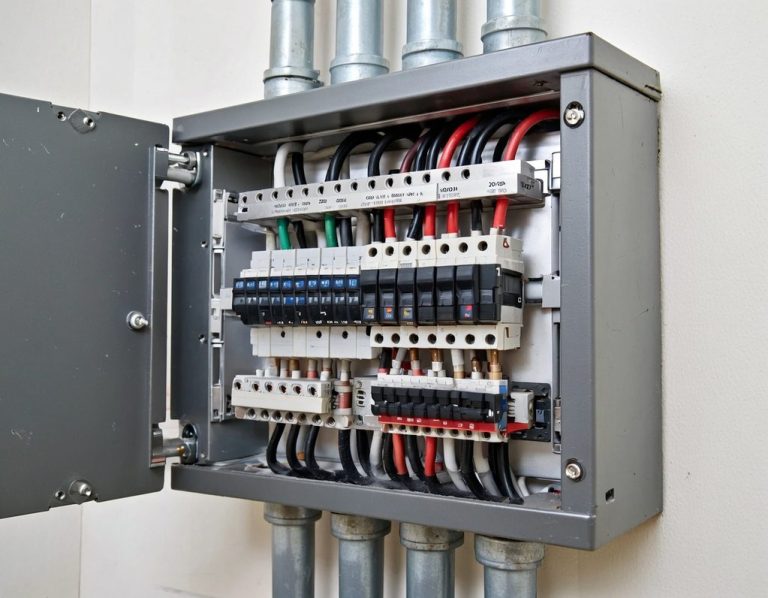
Main Service Panel
A 200A main service panel is the central distribution point for electrical power in many modern American homes, receiving the service conductors from the utility meter and delivering up to 200 amperes of capacity to branch circuits through a main breaker and individual circuit breakers; this size is common when accommodating multiple high-demand loads such as central air conditioning, electric ranges, heat pumps, and electric vehicle chargers. Panels come as main-breaker or main-lug types and vary in the number of breaker spaces, bus configuration, and compatibility with tandem/quad breakers, so planning load calculations and future expansions is important. Installation must include proper bonding and grounding, correctly sized service conductors and meter equipment, and compliance with National Electrical Code requirements for AFCI/GFCI protection, labeling, working clearances, and disconnecting means. Modern 200A panels often incorporate features like surge protective device provisions, space for subpanel feeders, and improved bus designs to reduce nuisance trips, but any upgrade or modification should be performed or inspected by a licensed electrician to ensure safety and code compliance.