
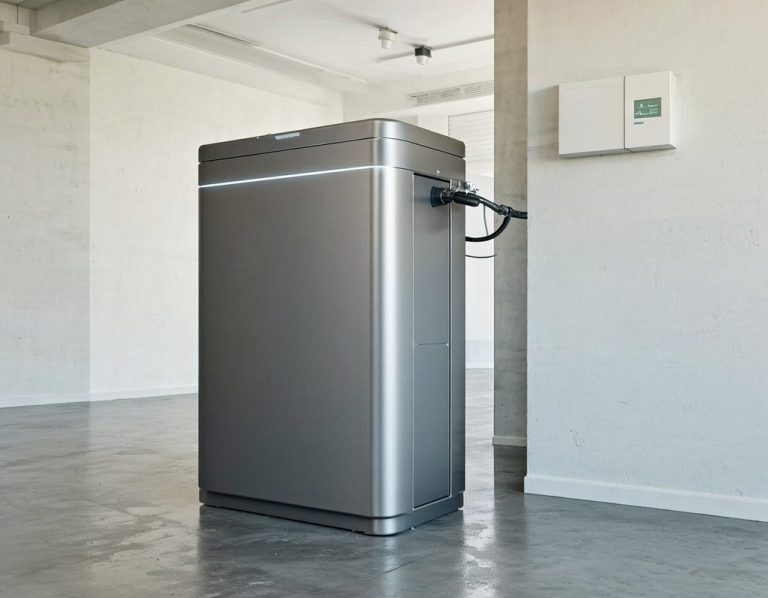
Home energy storage systems are transforming residential automation by allowing batteries to work seamlessly with smart thermostats, solar inverters, and home energy management platforms to optimize when and how power is used. Automated controls can charge batteries during low-rate periods or excess solar production and discharge during peak demand or outages, reducing utility bills and improving resilience. Advanced battery management and machine-learning algorithms enable predictive scheduling, integrate electric vehicle charging, and participate in demand-response programs. As grid-interactive homes become more common, automated home energy storage will be key to maximizing savings, lowering carbon footprints, and ensuring reliable backup power.
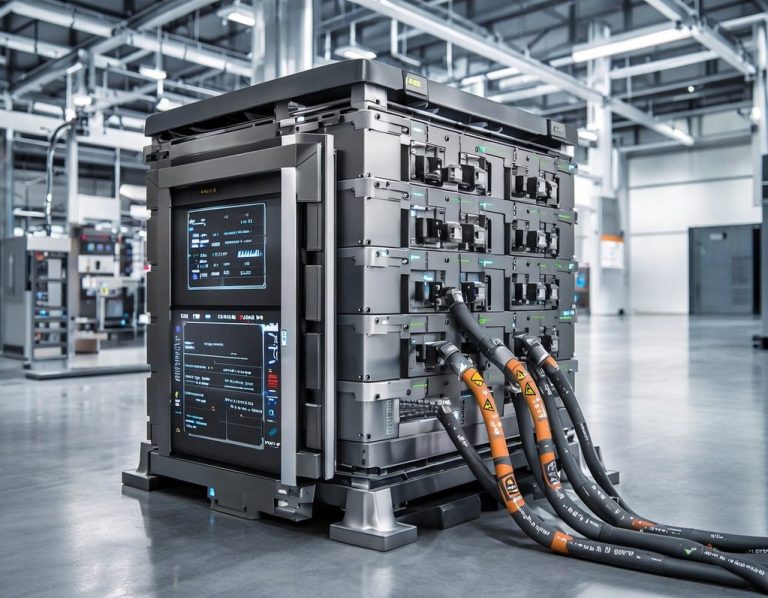
Battery storage systems are a key component of modern automation, enabling intelligent energy management by storing excess generation and dispatching power when needed to shave peaks, balance loads, and provide grid services like frequency regulation. Integrated with building automation, industrial control systems, and smart inverters, batteries respond to real-time data from sensors, energy management algorithms, and demand-response signals to optimize costs, extend equipment life, and increase resilience during outages. Advanced automation brings predictive maintenance, state-of-charge optimization, and secure communications that improve safety, cycle life, and regulatory compliance, while open protocols and AI-driven control strategies make battery storage scalable across microgrids, EV charging stations, and utility-scale deployments. By automating charging, discharging, and grid interactions, battery storage helps decarbonize operations, reduce energy bills, and enable higher penetration of renewable energy sources.
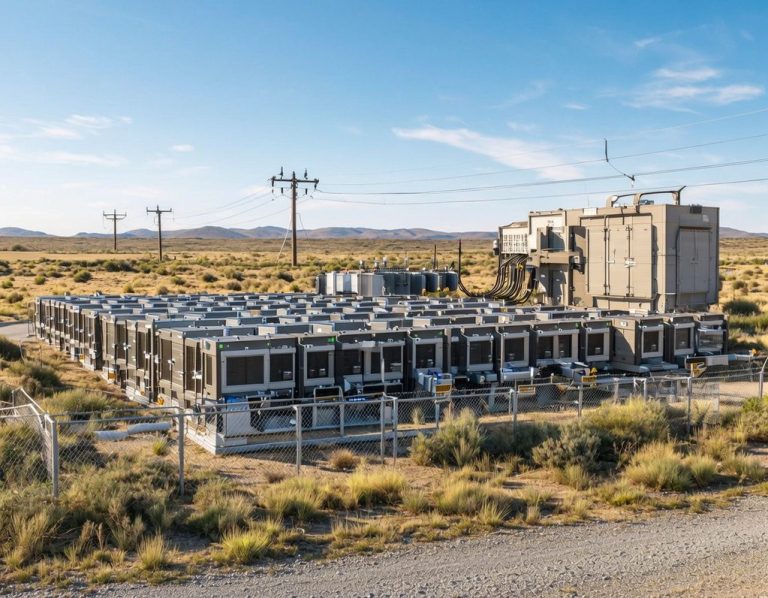
At utility scale, Battery Energy Storage Systems (BESS) rely on advanced automation to manage grid services, optimize economic dispatch, and ensure safe, reliable operation; integrated control systems—combining Battery Management Systems (BMS), Energy Management Systems (EMS), SCADA/DERMS, and fast protection relays—automate state-of-charge scheduling, frequency regulation, voltage support, and peak-shaving with real-time telemetry and market signals. Automation enables predictive maintenance and health monitoring through analytics and SOC/SOH estimation, reduces response times for grid events, and simplifies integration with large solar and wind plants via standardized communications (e.g., IEC 61850, Modbus) and cybersecurity measures. The result is more efficient asset utilization, improved grid stability, faster participation in ancillary markets, and lower operational risk for utility-scale BESS deployments.